Which bridal lehenga colours work best for winter weddings in 2026–2027?
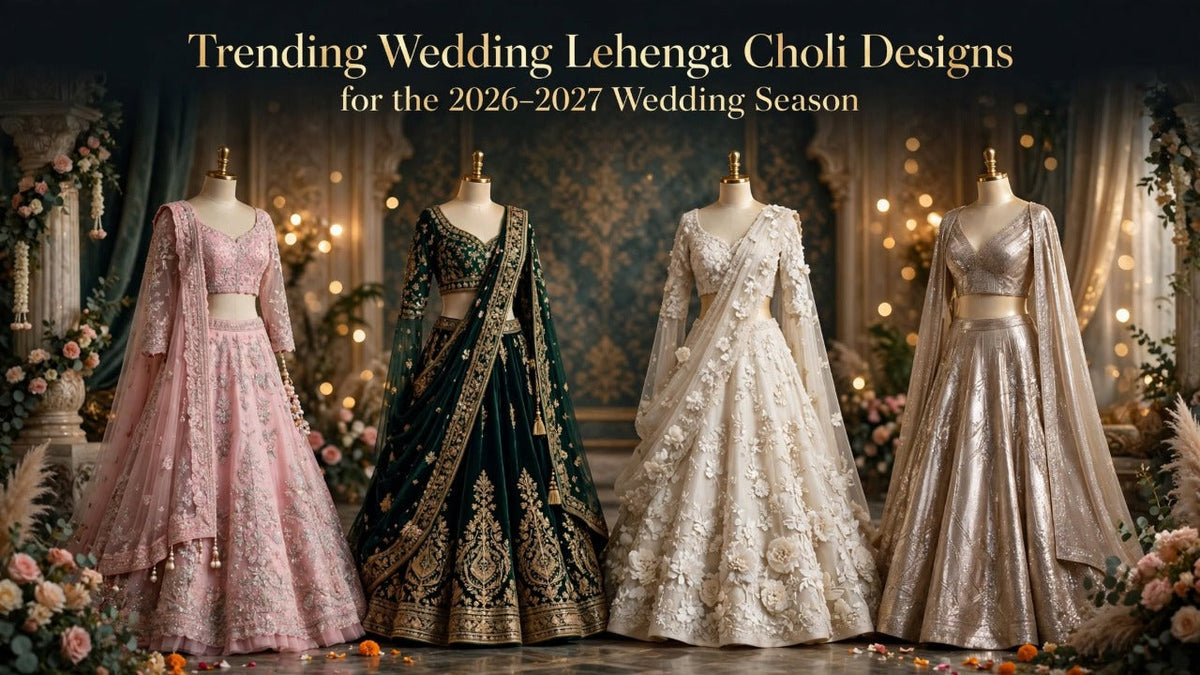
Winter weddings have a special look. The air is cooler, evening light is softer, and many Indian wedding venues glow under warm lamps. That changes how a lehenga colour feels in real life and in photos. For 2026–2027, rich shades such as wine, emerald, deep red, midnight blue, champagne and warm gold are strong choices, while ivory, dusty rose and sage offer a softer modern route. Current fashion coverage also shows a clear move towards colour that feels personal rather than simply following one bridal rule.
At Ethnic Plus, we see colour as part of the whole outfit, not a stand-alone choice. The fabric, embroidery, dupatta, jewellery, venue lighting and time of the ceremony all matter. A deep wine lehenga in velvet can look regal at a January reception. The same colour in a light, flowing fabric can feel much softer. So the best shade is the one that fits your wedding story and the way you plan to wear it.
Which colours suit a bride who wants a classic winter wedding look?
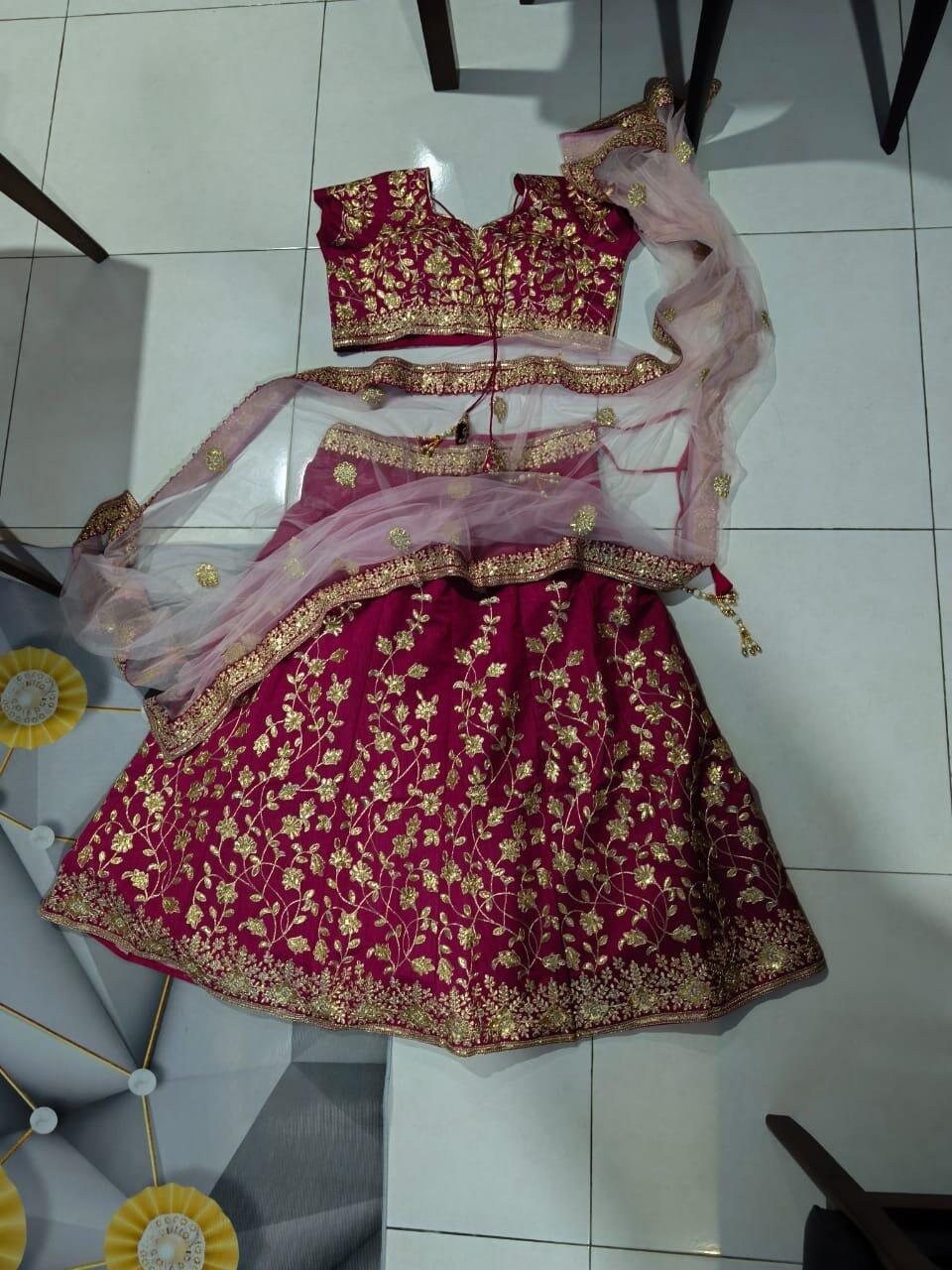
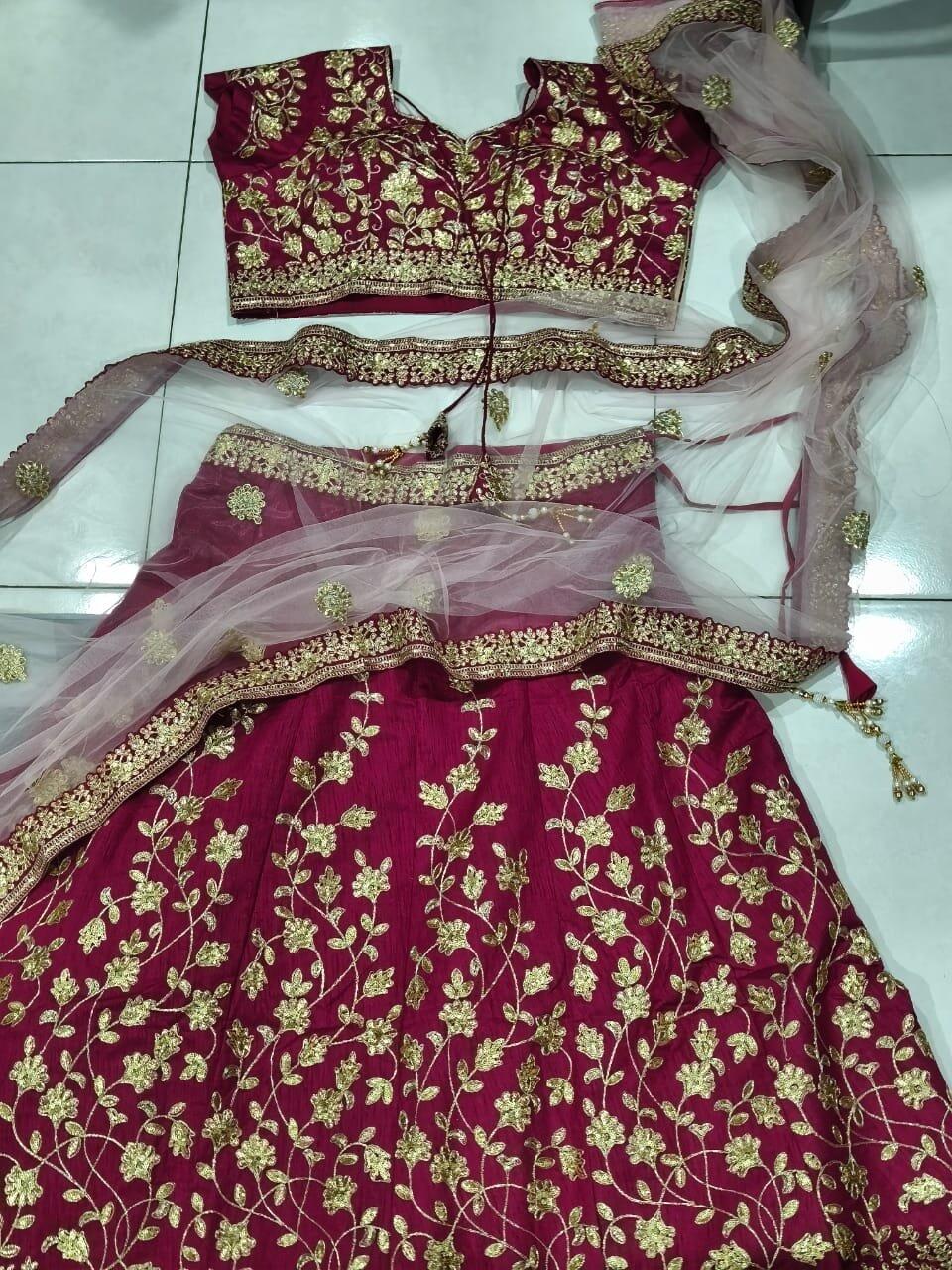
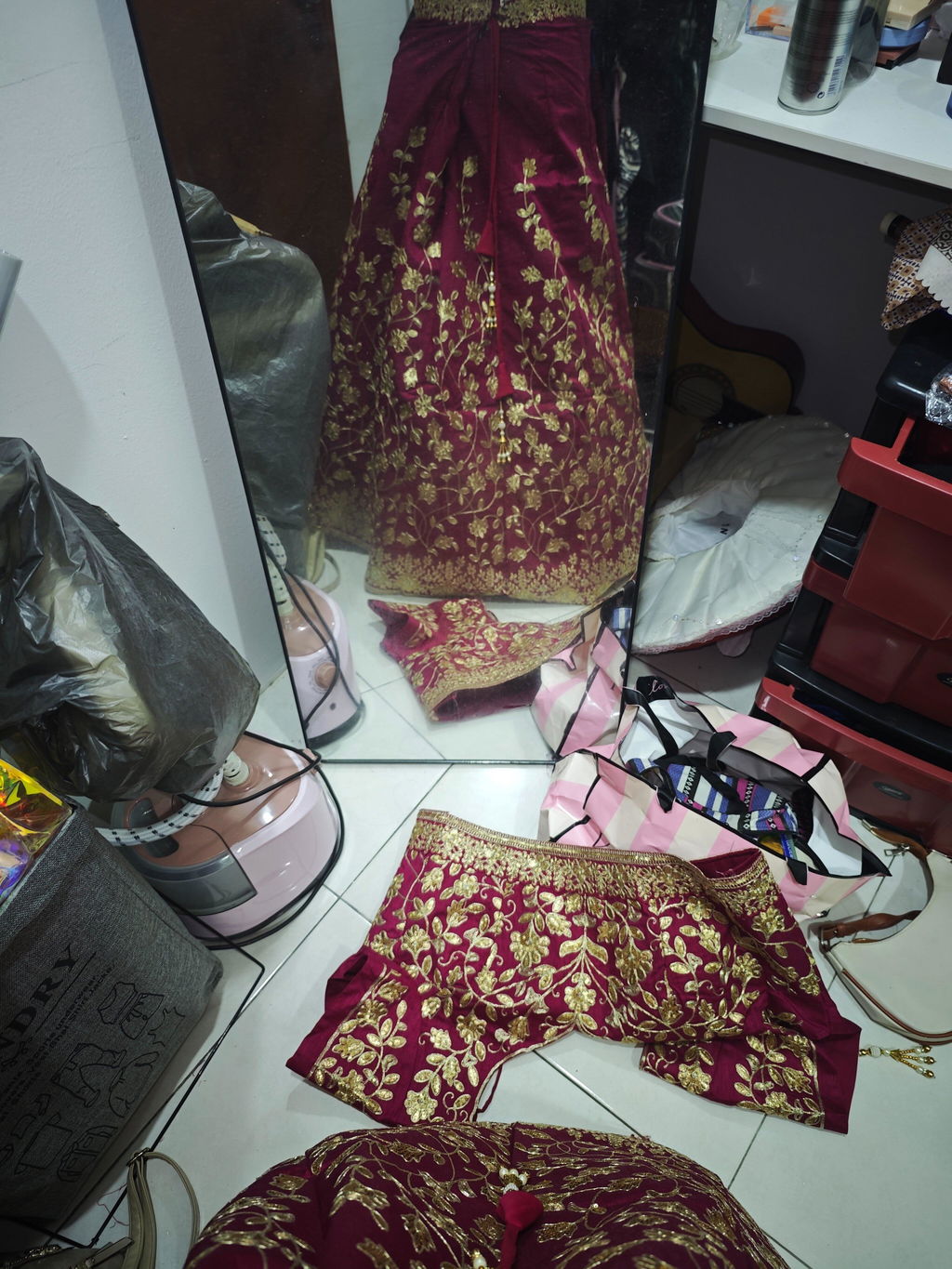
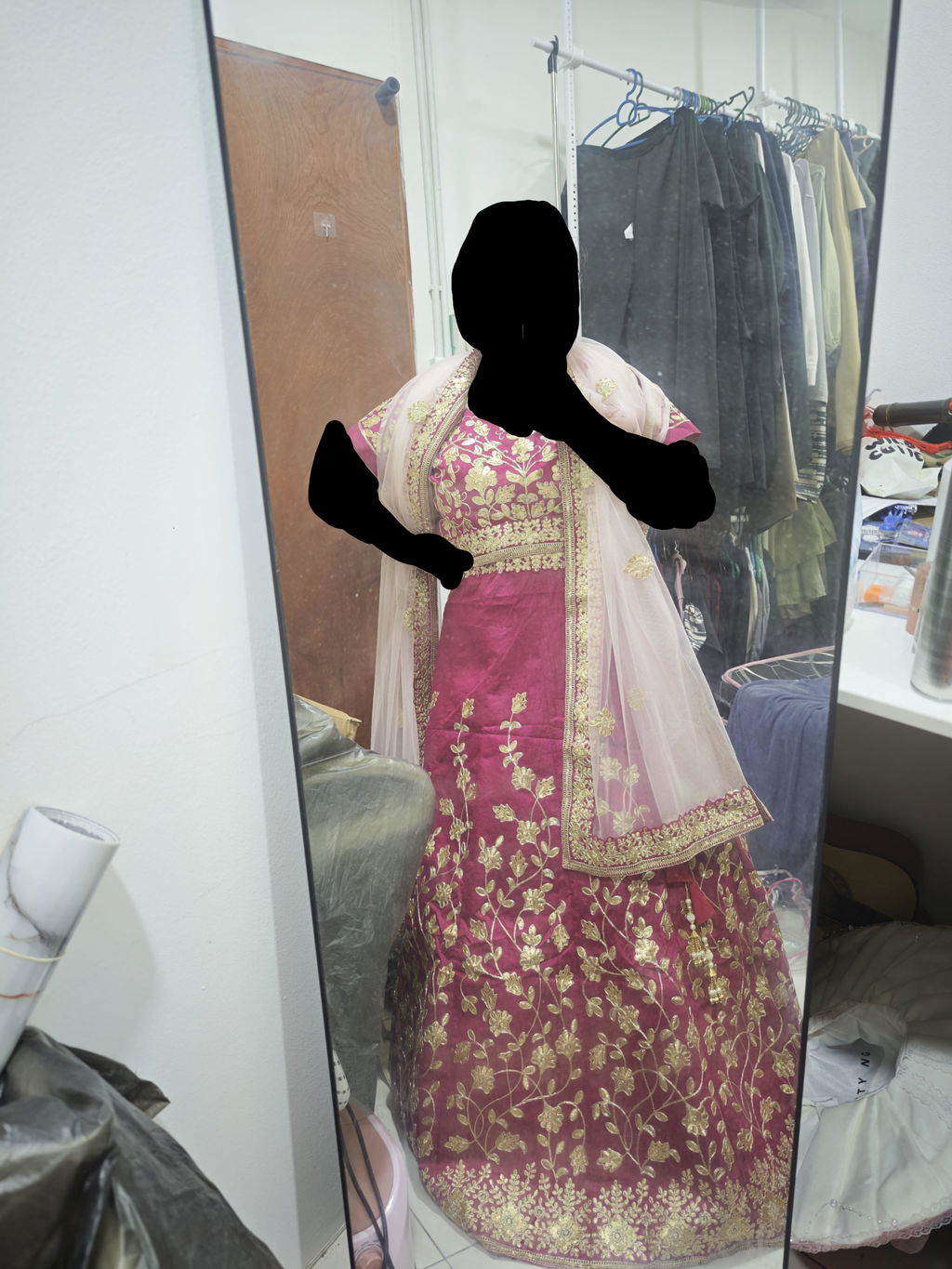
Classic red remains one of the strongest bridal choices in India, especially for the main ceremony. For a winter wedding, deeper reds can add warmth without losing the traditional bridal feel. Ruby, maroon, burgundy and rich crimson are useful choices when you want depth.
If your family prefers a traditional red for the pheras, you can still bring a second colour into the wedding wardrobe. A wine reception lehenga or an emerald sangeet outfit gives you variety while keeping the main ceremony rooted in tradition.
Which modern winter bridal colours are worth considering in 2026–2027?
| Colour | Best mood | Good winter pairing | Useful for |
|---|---|---|---|
| Wine / Burgundy | Rich and regal | Antique gold, polki | Evening wedding, reception |
| Emerald / Bottle Green | Bold and elegant | Gold, kundan | Mehendi, reception |
| Midnight Blue | Modern and dramatic | Gold or silver | Sangeet, reception |
| Champagne / Warm Gold | Soft and luminous | Pearls, polki | Day-to-evening events |
| Ivory / Cream | Clean and refined | Gold, red accents | Day ceremony, temple setting |
| Deep Rose / Dusty Rose | Romantic and fresh | Pearls, soft gold | Day wedding, reception |
| Rust / Terracotta | Warm and earthy | Antique gold | Outdoor winter ceremony |
Why do wine, burgundy and deep red work so well in winter?
Deep red shades hold their colour beautifully under warm indoor lighting. They also work naturally with gold zari, antique embroidery, polki and traditional jewellery. Velvet, Banarasi silk and brocade can make these colours look even deeper.
For brides planning weddings around Surat, Jaipur, Delhi or other North and West Indian wedding hubs, this palette also fits the visual feel of long evening celebrations. If your venue is near a busy city setting, such as Surat's textile districts around Ring Road, choosing a strong colour can help the outfit stand out without relying on excessive surface work.
When is emerald green a better bridal choice than red?
Emerald and bottle green are excellent when you want something bridal but less expected. They have a jewel-like depth and work especially well with gold embroidery. Emerald can look striking for a reception, while a slightly softer green can suit a daytime mehendi.
Choose green when you want the embroidery and jewellery to do some of the talking. A well-cut green lehenga with controlled gold work can feel richer than a heavily decorated outfit where every surface competes for attention.
Can ivory, champagne and softer shades work for a winter bride?
Yes. Winter does not mean you must wear a dark colour. Ivory, cream and champagne are increasingly useful for brides who want a clean, modern look. Pantone's 2026 Colour of the Year, Cloud Dancer, also places natural white in the wider fashion conversation, showing how soft white can be used as a confident design colour rather than simply a blank shade.
For Indian bridal wear, ivory becomes more ceremonial when paired with gold zari, red accents, traditional jewellery or a richly worked dupatta. This can be especially effective for a daytime ceremony, a temple wedding or a bride who wants a lighter look before changing into a deeper reception colour.
How should you match your lehenga colour to the winter wedding function?
- Pheras or main ceremony: Choose classic red, ruby, maroon or ivory with red and gold accents when tradition matters.
- Reception: Wine, emerald, midnight blue and champagne can look polished under evening lights.
- Sangeet: Try navy, emerald, deep rose or a rich modern shade that allows easier movement and a lighter silhouette.
- Mehendi: Sage, bottle green, rust, terracotta or deep rose can complement a daytime setting.
- Outdoor winter wedding: Warm gold, rust, emerald and deeper pinks can work well against natural light and seasonal décor.
Which fabric makes a winter bridal colour look its best?
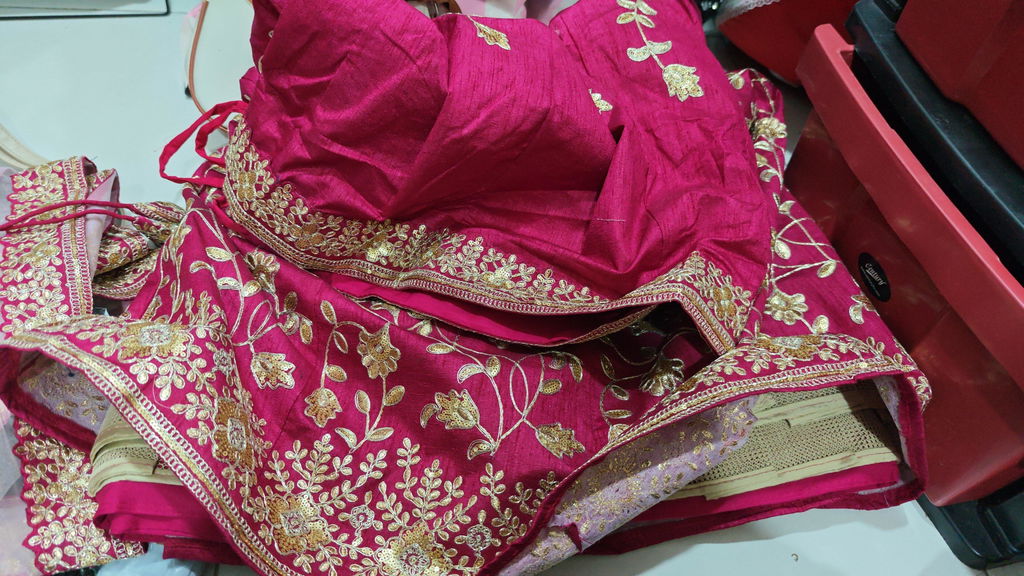
Colour and fabric should be chosen together. Velvet can deepen jewel tones and suit cold evening functions. Banarasi silk and brocade add heritage texture and work beautifully with rich reds, wine and gold. Raw silk gives a structured feel without the full weight of velvet. Organza, tissue and georgette are useful when you want a lighter look, especially for daytime or indoor events.
A simple rule: if the colour is soft, let the fabric or embroidery add depth. If the colour is already rich, you may not need heavy work everywhere.
How can you choose a bridal lehenga colour that still feels like you?
Start with the wedding, but finish with your own taste. Look at the colour in daylight and under warm indoor light. Check it beside your jewellery. Sit, walk and turn in the lehenga before making the final choice. A shade may look beautiful on a screen and feel very different in person.
We also recommend thinking beyond one photograph. Your wedding can include mehendi, haldi, sangeet, pheras and reception events, often with different lighting and décor. A thoughtful colour plan gives each outfit its own role instead of making every look compete.
What should you check before ordering a winter bridal lehenga online?
- Check the exact colour description and product photographs in more than one lighting condition.
- Use the size guide and confirm whether the lehenga is stitched, semi-stitched or custom sized.
- Review the fabric because weight, fall and warmth can change the way a colour looks.
- Consider the blouse, dupatta and embroidery together rather than judging the skirt alone.
- Allow time for measurements, stitching, alterations and a final fitting before the wedding.
Which winter bridal lehenga colour should you choose for 2026–2027?
There is no single winning shade. Classic red remains a strong choice for the bride who wants tradition. Wine and burgundy bring a deeper, modern feel. Emerald offers regal colour without following the usual red route. Midnight blue suits an evening celebration, while champagne and ivory work beautifully for a softer, refined look. Rust, deep rose and sage can add a fresh note to daytime functions.
At Ethnic Plus, the aim is simple: help you find a colour that looks beautiful, feels right for the season and works with the rest of your wedding. Explore the bridal lehenga collection with the fabric, occasion, size and finish in mind, then choose the shade that you will still love when you look back at your wedding photographs years from now.